BMW M135i vs BMW Z4: Was Upgrading Really Worth It?
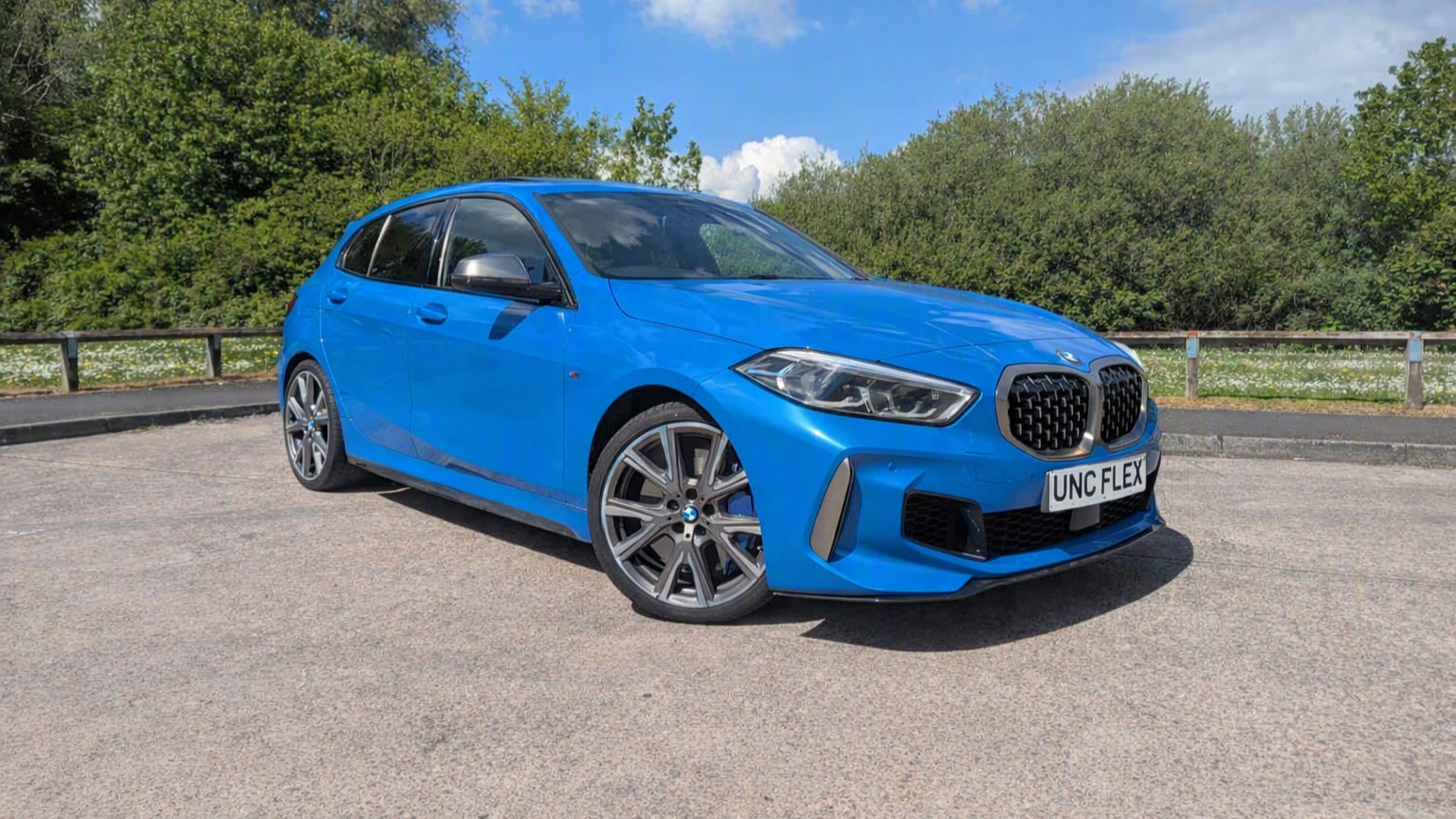
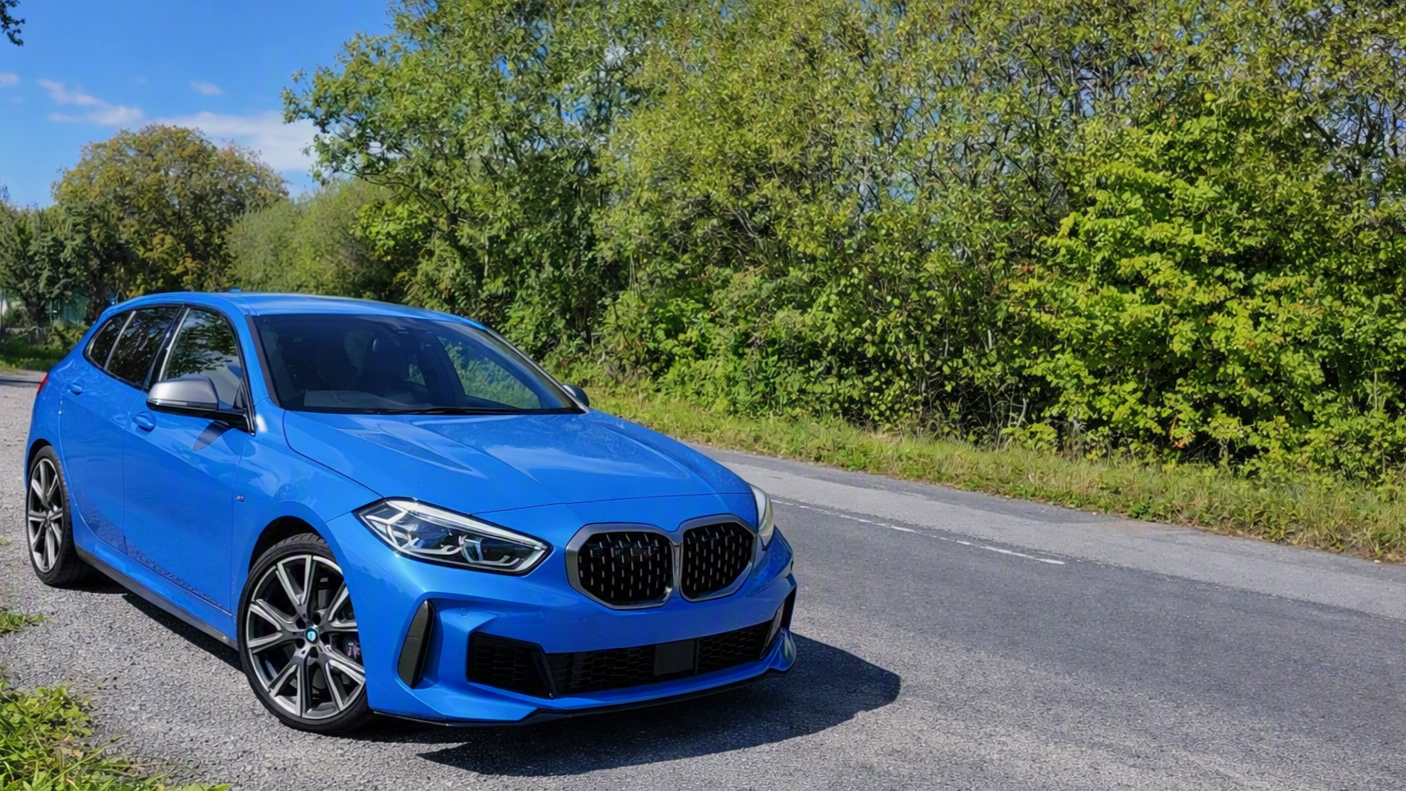
After eight years of owning a 2013 BMW Z4 sDrive20i M Sport, I eventually made the move to a BMW M135i. It was a car I had wanted for a while, and with around 300hp, a much more practical body style and plenty of modern technology, it looked like a significant upgrade on paper.
But does a newer, faster BMW automatically make for a better ownership experience?
Having spent time getting used to the M135i, I’ve discovered that there are some things it does considerably better than my old Z4. There are also a few areas where I think the older roadster still comes out on top.
Here are the biggest differences I’ve noticed so far.
1. Performance: The M135i Is in a Different League
One of the biggest reasons to upgrade to the M135i is its performance.
My Z4 had a 2.0-litre N20 petrol engine producing 184hp, with a claimed 0-60mph time of around 6.9 seconds. The M135i, on the other hand, uses BMW’s 2.0-litre B48 engine, producing approximately 300hp and reaching 60mph in around 4.8 seconds.
That’s a substantial difference.
The M135i feels much more eager to accelerate, and you don’t need to push the accelerator particularly far to notice how quickly it gathers speed. Even in Comfort mode, the car feels ready to go whenever you ask it to.
The Z4 was certainly no slouch, but it required a more deliberate input when I wanted to make progress. In the M135i, the performance is much more immediate.
It’s one of those differences that makes you appreciate just how much more capable a modern performance hatchback can be.
Winner: BMW M135i. The extra power and quicker acceleration make this an easy decision.
2. Handling: I Miss the Z4’s Confidence in Corners
This is where things get interesting.
Before buying the M135i, I expected it to be better than the Z4 in almost every area. However, cornering confidence is one thing I haven’t been able to leave behind.
The Z4 felt planted through corners. Its low-slung body, wide rear tyres and two-seat roadster layout gave it a very different character. With 255-section tyres at the rear and 225s at the front, it felt particularly secure when driving along twisty country roads.
I could approach corners with a level of confidence that I haven’t quite found in the M135i.
The M135i runs 235-section tyres at both the front and rear, giving it a square tyre setup. While it feels quick and capable, there are occasions when the car feels less settled through a corner than I expected. I’ve sometimes experienced a sensation that feels like torque steer, or a slightly unsettled feeling when accelerating.
It’s difficult to say exactly how much of this comes down to the tyres, suspension, ride height or the fundamental differences between the two cars. What I do know is that the Z4 felt more connected to the road to me.
That doesn’t necessarily mean the M135i is incapable in corners. It simply means that, having lived with the Z4 for so long, I became accustomed to a particular driving experience that the newer car hasn’t replicated.
Winner: BMW Z4. For my personal driving preferences, the Z4 was the more confidence-inspiring car on twisty roads.
3. Practicality: Two Seats Versus Four Doors
The Z4 was a two-seater, and that came with some obvious compromises.
There was no back seat, and the boot offered less flexibility than a conventional hatchback. It was perfectly usable as a daily driver, but transporting larger items or making trips to the tip wasn’t always straightforward.
The M135i makes everyday life considerably easier.
It has rear doors, additional seating and a more spacious boot, which makes it much more versatile for carrying passengers, shopping and larger items.
I’ve already made several trips to the tip in the M135i, and it’s been brilliant for that kind of job.
This is one of those upgrades that might not sound particularly exciting when comparing specifications, but it makes a real difference when you’re living with the car every day.
The Z4 was designed around the driving experience. The M135i offers performance without asking you to make quite so many compromises.
Winner: BMW M135i. It’s the more practical car by a considerable margin.
4. Technology: The M135i Feels Years Ahead
The technology difference is another area where the newer BMW pulls ahead.
One of my biggest frustrations with the Z4 was its Bluetooth music functionality. Although it supported Bluetooth for phone calls, it didn’t offer the straightforward music-streaming experience I wanted.
I ended up using a Bluetooth-to-FM transmitter, which was far from ideal. On some journeys, I’d pick up interference or someone else’s music signal.
It was a frustrating workaround, especially for a car I used every day.
The M135i is a completely different experience. It has modern infotainment screens, wireless Android Auto, wireless phone charging and a range of driver assistance and convenience features.
There are also features I’m still getting used to, including voice controls, cruise control and the ability to manage certain vehicle functions through a smartphone.
Depending on the options fitted to an individual car, features can include parking assistance, heated seats and remote climate-related functions.
It’s worth checking the specification carefully when buying a used M135i, as not every example will have the same equipment.
The biggest improvement for me isn’t one particular gadget. It’s how much easier the car makes everyday driving, from listening to music to accessing navigation and controlling the cabin environment.
Winner: BMW M135i. The modern technology makes the car much more convenient to live with.
5. Interior Quality: The Older Z4 Felt More Premium
Despite being the older car, I think the Z4 had a nicer interior in certain areas.
The materials around the armrests, in particular, felt softer and more comfortable. It was the sort of detail you might overlook during a short test drive but appreciate after spending hours behind the wheel.
In the M135i, some of the surfaces feel harder and more plasticky than I’d like. Certain trim pieces also lack the more premium feel I remember from the Z4.
Part of this comes down to the different types of cars BMW was building. The Z4 was a more expensive sports roadster when new, while the 1 Series sits closer to the entry point of the BMW range.
That doesn’t mean the M135i has a bad interior. Its technology and overall functionality are strong. However, the quality of the materials you touch every day is another matter.
It’s a useful reminder that buying a newer car doesn’t automatically mean every aspect of the interior will feel like an upgrade.
Winner: BMW Z4. I preferred the softer, more premium feel of its interior in several key areas.
6. Fuel Economy: More Performance Comes at a Cost
I haven’t completed a detailed fuel economy comparison yet, so I can’t give an accurate miles-per-gallon figure for either car.
However, I’ve noticed that I’m visiting the petrol station more frequently in the M135i.
With the Z4, I could often go a little over two weeks between visits to the petrol station. With the M135i, I’m finding myself filling up approximately every week to a week and a half.
My driving style is part of the explanation.
The M135i responds so quickly to accelerator inputs that even a small amount of throttle can produce noticeably more acceleration than I was used to in the Z4. It’s tempting to enjoy that performance, and doing so is likely to affect fuel consumption.
Of course, how often you fill up isn’t a reliable way to compare fuel economy on its own. Fuel tank capacity, mileage, traffic conditions and driving habits all play a part.
I’ll need to record actual fuel usage over time before drawing any firm conclusions.
For now, the M135i seems to be costing me more in fuel, but the extra performance is part of what makes it enjoyable.
Winner: BMW Z4, based on my current experience. A proper comparison using recorded fuel consumption would be needed to confirm the difference.
7. Ride Height and Visibility: I Can See the Road Again
The Z4’s low driving position was part of its appeal, but it also created some everyday frustrations.
The car sat so low that speed bumps and uneven roads could be a real headache. I regularly had to be careful about where I drove and how I approached certain obstacles.
Visibility was another compromise. When following taller vehicles, it could be difficult to see much of what was happening further ahead.
The M135i feels noticeably easier to drive in these situations. The higher seating position gives me a better view of the road, and I no longer feel as though I’m constantly looking at the rear bumper of the vehicle in front.
It’s a small change that has made a surprisingly big difference to my daily driving experience.
The higher ride height also makes the car feel less demanding on roads where the Z4 required extra care.
Winner: BMW M135i. Better visibility and fewer concerns about scraping the underside make everyday journeys easier.
8. The Phantom Bonnet: Getting Used to a Different Car
One unexpected adjustment has been learning where the front of the M135i actually ends.
After eight years of driving the Z4, I had become accustomed to its long bonnet. My brain had effectively memorised where I needed to stop when parking.
The problem is that those habits didn’t disappear when I changed cars.
I found myself stopping too early in parking spaces because I was still judging the distance as though I were driving the Z4. The result was that the rear of the M135i could stick out of the space more than I intended.
I think of it as having a phantom bonnet: my brain still expects the front of the old car to be there.
It’s a minor issue, but it shows how much driving relies on muscle memory and familiarity. Even when a new car is easier to live with in many ways, it can take time to recalibrate your instincts.
Fortunately, this is something that improves with practice. Taking a little extra time to check the car’s position and use the parking aids helps.
9. Seat Comfort: I Didn’t Realise What I Was Missing
One of the most unexpectedly satisfying changes has been the ability to recline my seat more comfortably when parked.
The Z4’s compact two-seat layout restricted how far back I could move the seat. With so little room behind it, I couldn’t relax in the car in the same way.
That might sound like a small complaint, but after eight years of ownership, I had become used to the limitation.
The M135i gives me more freedom to adjust my seating position. Being able to lean back while waiting for someone or taking a break is a simple convenience that I now appreciate much more than I expected.
It’s not the kind of feature that sells a performance car, but it contributes to the overall ownership experience.
Sometimes the best upgrades aren’t the ones you notice when accelerating. They’re the little things that make your car more comfortable when you’re simply sitting in it.
Winner: BMW M135i. The extra flexibility makes the cabin a more comfortable place to spend time.
So, Was Upgrading From the BMW Z4 to the M135i Worth It?
For me, yes.
The BMW M135i is faster, more practical, better equipped and easier to live with on a daily basis. Its modern technology alone addresses one of my biggest frustrations with the Z4, while the extra performance makes every opportunity to accelerate feel special.
However, the Z4 wasn’t beaten in every category.
I still miss its cornering confidence and the more premium feel of parts of its interior. It had a character that made driving along a twisty country road genuinely enjoyable, and that is something I don’t want to overlook simply because the M135i is newer and more powerful.
The biggest lesson from this comparison is that an upgrade doesn’t have to be better in every single area to be worthwhile. It needs to suit your priorities.
If you want one car that combines strong performance with everyday usability, the M135i makes a compelling case. If you value the more focused experience of a low-slung, rear-wheel-drive roadster, the Z4 still has plenty going for it.
In fact, my experience has made me think that the ideal arrangement might be to own a practical daily driver and keep a Z4 as a weekend car, rather than asking one vehicle to do everything.
For now, I’m happy with the M135i and have no regrets about making the switch.
The next part of ownership will be seeing how the running costs compare over time. I’ve only just started building up a picture of what the M135i costs to own, so that is something I’ll be keeping track of.